

Prime Minister and Minister of Foreign Affairs Receives Phone Call from Iran's FM
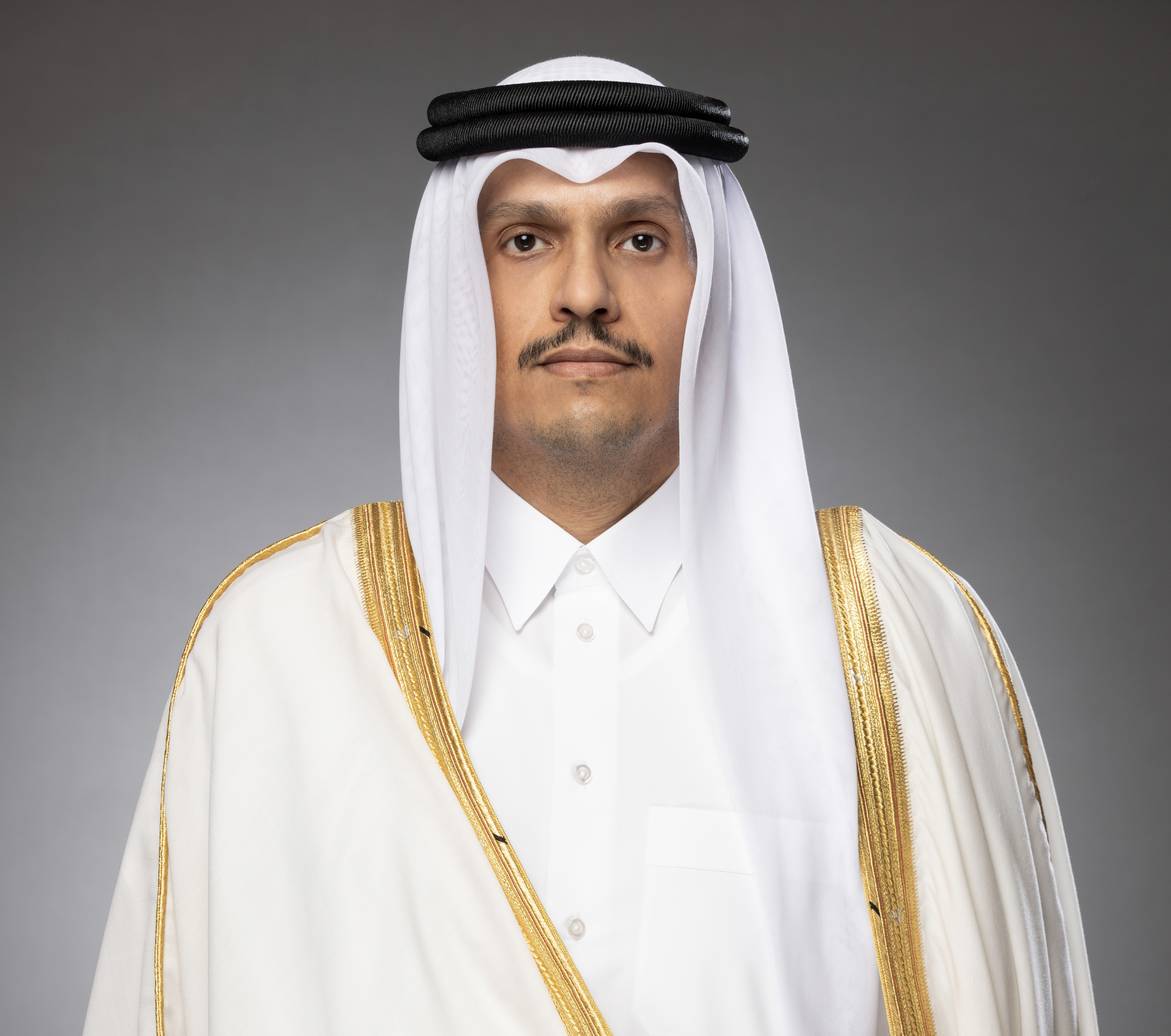
Doha, March 4, 2026
HE Prime Minister and Minister of Foreign Affairs Sheikh Mohammed bin Abdulrahman bin Jassim Al-Thani has rejected Iranian claims that recent missile attacks were not aimed at Qatar, saying the evidence on the ground showed otherwise.
This came during a phone call HE Sheikh Mohammed received on Wednesday from HE Minister of Foreign Affairs of the Islamic Republic of Iran Dr Abbas Araghchi.
Araghchi said the missile strikes were directed at American interests and were not intended to target the Gulf state. Yet, HE the Prime Minister and Minister of Foreign Affairs "categorically rejected" that assertion, citing the civilian and residential areas inside the country struck by the attacks. He said the areas affected included the vicinity of Hamad International Airport, as well as vital infrastructure and industrial zones, including facilities linked to liquefied natural gas production.
HE Sheikh Mohammed described the strikes as a "flagrant violation" of the State of Qatar's sovereignty and of international law. He added that the attacks were not limited to missiles, but were ongoing through drones, as well as aircraft that had entered Qatari airspace and were intercepted by the country's armed forces.
His Excellency added that these Iranian actions reflected "an escalatory approach" and did not indicate any genuine desire for de-escalation or resolution, accusing Tehran of seeking to harm its neighbors and draw them into a war "that is not theirs".
HE the Prime Minister and Minister of Foreign Affairs called for an immediate halt to attacks on regional states that have sought to remain outside the conflict, urging all sides to prioritize the broader interests of their peoples.
He stressed that Qatar has consistently favored dialogue and diplomacy, but would respond to any violation of its sovereignty, security or territorial integrity.
His Excellency said such attacks could not go unanswered, citing the country's inherent right to self-defense under Article 51 of the UN Charter.